About
Blog Case Studies Work with us

Health
Track Pro

MedCorp Nepal, serving 200+ clinics across Nepal, wanted a way to monitor patients in real time — reducing critical alert delays from 4 hours to under 8 minutes, and giving their entire network a single view of every patient. They wanted to get it right the first time.

Year 2024 – Ongoing
Industry HealthTech & Government
Services Full-Stack Development · AI/ML · DevOps · System Integration
Doctor reviewing patient data on tablet in clinic
ICU Ward B
Medical monitoring equipment and health data screens
Live Monitoring
Healthcare team reviewing analytics dashboard
System Live
–92%
Alert Response Time
↑ vs. 4hr average before
200+
Clinics on Platform
▲ Real-time · All nodes
99.9%
System Uptime
● 0 downtime deploys
Scroll to explore

Project Timeline

From concept to deployment
transforming healthcare delivery

33 weeks. Five phases. 200+ clinics transformed.

Week 1-3
Week 1-3 — Discovery

Understanding the Challenge

We began by mapping MedCorp Nepal's entire infrastructure across 200+ clinics. Through stakeholder interviews and system audits, we identified 15 different legacy systems, 8 database types, and 23 custom integrations. The challenge was clear: unify this fragmented ecosystem without disrupting daily operations.

200+Clinics Assessed
15Legacy Systems
3Weeks Duration
System AuditStakeholder InterviewsRequirements GatheringInfrastructure Mapping
Week 4-9
Week 4-9 — Architecture

Building the Foundation

We designed an event-driven microservices architecture with Apache Kafka at its core. Built 23 custom adapters to translate between legacy systems and our unified GraphQL API. This foundation enabled gradual migration without disrupting daily clinic operations—a critical requirement for a healthcare platform.

23Custom Adapters
100%API Coverage
6Weeks Duration
MicroservicesGraphQL APIApache KafkaSystem Integration
Week 10-17
Week 10-17 — Development

Data Migration & Build

The most critical phase. We migrated 10+ years of patient records (5M+ documents) with zero data loss. Simultaneously built the real-time monitoring dashboard, AI-powered predictive analytics engine, and automated alert routing system. Implemented bi-directional sync to keep legacy and new systems in harmony during transition.

5M+Records Migrated
0Data Loss
8Weeks Duration
Data MigrationReal-Time DashboardAI/ML ModelsBi-Directional Sync
Week 18-21
Week 18-21 — Testing

Validation & Security

Rigorous testing phase. We conducted load testing with 10x expected traffic, security penetration testing, and comprehensive HIPAA compliance audits. Ran 10,000+ test cases across all 200+ clinics. Zero critical issues found. Achieved 99.9% pass rate and full regulatory approval.

10K+Test Cases
99.9%Pass Rate
0Critical Issues
Load TestingSecurity AuditHIPAA ComplianceUAT
Week 22-33
2024–Now — Scale & Impact

Phased Rollout & Success

The final phase. We started with 5 pilot clinics, validated the system, then expanded to 50 clinics, and finally rolled out to all 200+ facilities. Real-time monitoring dashboards tracked every metric. Achieved zero downtime, 99.9% uptime, and reduced alert response time from 4 hours to 8 minutes. The platform is now processing 50K+ events daily.

200+Clinics Live
0Downtime
99.9%System Uptime
Phased RolloutZero DowntimeReal-Time MonitoringProduction Success

The Problem Statement

Healthcare providers were making life-or-death decisions on stale data. Patient vitals sat in disconnected systems across 200+ clinics, critical alerts were delayed by hours, and the operations team had no real-time visibility across their network.

"We were flying blind. By the time a critical alert reached the right person, it was often already too late."
Head of Clinical Operations, MedCorp Nepal
4 Hours
Delayed Diagnostics
Average delay in critical patient alerts — directly impacting patient outcomes
200+
Siloed Data Across Clinics
No unified patient record or visibility. Every clinic was an island with its own system
3+ Hours
Manual Reporting Daily
Clinical staff spending more time on data entry than on patient care
Zero
No Compliance Infrastructure
Zero HIPAA-grade audit trails, encryption, or role-based access in place

Architecture & Implementation

A real-time, event-driven platform built for scale, security, and zero-downtime operations across 200+ healthcare facilities.

Frontend Layer
React Dashboard
Real-time monitoring UI
Mobile App
iOS & Android native
API Gateway
GraphQL API
Authentication · Rate Limiting · Load Balancing
Microservices
Patient Service
Vitals & records
Alert Service
Real-time notifications
AI/ML Service
Predictive analytics
Event Bus
Apache Kafka
Event streaming · Message queue · Real-time data pipeline
Data Layer
PostgreSQL
Primary database
Redis
Cache & sessions
S3
File storage

Key Features

  • Real-time patient monitoring across all facilities
  • AI-powered predictive analytics for early intervention
  • Automated alert routing with priority escalation
  • Unified patient records with complete audit trails
  • Role-based access control with encryption at rest

Technical Highlights

  • Event-driven microservices architecture
  • Kubernetes orchestration on AWS EKS
  • Apache Kafka for real-time event streaming
  • TensorFlow-based ML models for predictions
  • CI/CD pipeline with zero-downtime deployments

Thought Process & Technical Decisions

Every architectural choice was driven by real-world constraints and the need for reliability at scale.

Why Event-Driven Architecture?

The Challenge: 200+ clinics generating thousands of patient events per minute. Traditional request-response patterns would create bottlenecks and single points of failure.

Our Decision: Apache Kafka as the central nervous system. Each service publishes events independently, allowing us to scale horizontally and maintain system resilience even if individual services fail.

50K+ events/day processed seamlessly
Zero message loss with guaranteed delivery

Microservices Over Monolith

The Challenge: Different teams working on patient records, alerts, and analytics. A monolithic architecture would create deployment conflicts and slow down development velocity.

Our Decision: Domain-driven microservices with clear boundaries. Each service owns its data, can be deployed independently, and scales based on its specific load patterns.

Deploy 10+ times/day with zero downtime
Independent scaling per service needs

Real-Time vs Batch Processing

The Challenge: Patient vitals need immediate attention. A 4-hour delay in critical alerts was literally life-threatening. Batch processing wasn't an option.

Our Decision: Stream processing with Kafka Streams for real-time analytics. Combined with WebSocket connections for instant UI updates and intelligent alert routing based on severity.

Sub-second alert delivery to clinicians
92% reduction in response time

Polyglot Persistence Strategy

The Challenge: Patient records need ACID compliance, session data needs speed, and analytics need flexibility. One database couldn't optimize for all use cases.

Our Decision: PostgreSQL for transactional data with full ACID guarantees, Redis for caching and real-time sessions, and S3 for medical imaging and documents. Each tool for its strength.

80% faster read operations with Redis
100% data consistency for critical records

Security-First Architecture

The Challenge: Healthcare data is the most sensitive data there is. HIPAA compliance isn't optional, and a single breach could shut down the entire network.

Our Decision: End-to-end encryption, role-based access control at every layer, complete audit trails for every data access, and automated compliance monitoring with real-time alerts.

100% HIPAA compliant infrastructure
Zero security incidents since launch

Predictive Analytics with ML

The Challenge: Reactive alerts weren't enough. We needed to predict patient deterioration before it became critical, giving clinicians time to intervene proactively.

Our Decision: TensorFlow models trained on historical patient data, running inference in real-time on streaming vitals. Models predict risk scores and trigger early warnings 2-4 hours before critical events.

85% accuracy in predicting critical events
2-4 hour early warning window

Core Engineering Principles

01

Design for Failure

Every component assumes others will fail. Circuit breakers, retries, and graceful degradation are built-in, not bolted-on.

02

Observability First

You can't fix what you can't see. Distributed tracing, structured logging, and real-time metrics from day one.

03

Automate Everything

Manual processes don't scale. CI/CD pipelines, automated testing, and infrastructure as code eliminate human error.

04

Security by Default

Security isn't a feature—it's the foundation. Encryption, authentication, and authorization at every layer, every time.

System Integration

Connecting 200+ legacy systems into a unified platform without disrupting daily operations.

Phase 1

Discovery & Assessment

Mapped existing infrastructure across 200+ clinics. Identified 15 different legacy systems, 8 database types, and 23 custom integrations that needed migration.

3 weeks Duration
200+ Systems Audited
15 Legacy Platforms
Data analysis and system assessment
Phase 2

API Gateway & Adapters

Built custom adapters for each legacy system. Created a unified GraphQL API layer that translates between old and new systems, enabling gradual migration without downtime.

6 weeks Duration
23 Custom Adapters
100% API Coverage
GraphQL
REST APIs
Message Queue
Data Transformation
Phase 3

Data Migration & Sync

Migrated 10+ years of patient records, 5M+ documents, and real-time vitals data. Implemented bi-directional sync to keep legacy and new systems in perfect harmony during transition.

8 weeks Duration
5M+ Records Migrated
0 Data Loss
Data migration and synchronization
Phase 4

Testing & Validation

Comprehensive testing across all 200+ clinics. Load testing with 10x expected traffic, security penetration testing, and HIPAA compliance audits. Zero critical issues found.

4 weeks Duration
10,000+ Test Cases
99.9% Pass Rate
Load Testing
Security Audit
HIPAA Compliance
UAT
Phase 5

Rollout & Monitoring

Phased rollout starting with 5 pilot clinics, then expanding to 50, then full deployment. Real-time monitoring dashboards tracked every metric. Zero downtime achieved.
12 weeks Duration
200+ Clinics Live
0 Downtime
System monitoring and deployment

Development & Deployment

From first commit to production deployment—how we built and shipped a mission-critical healthcare platform.

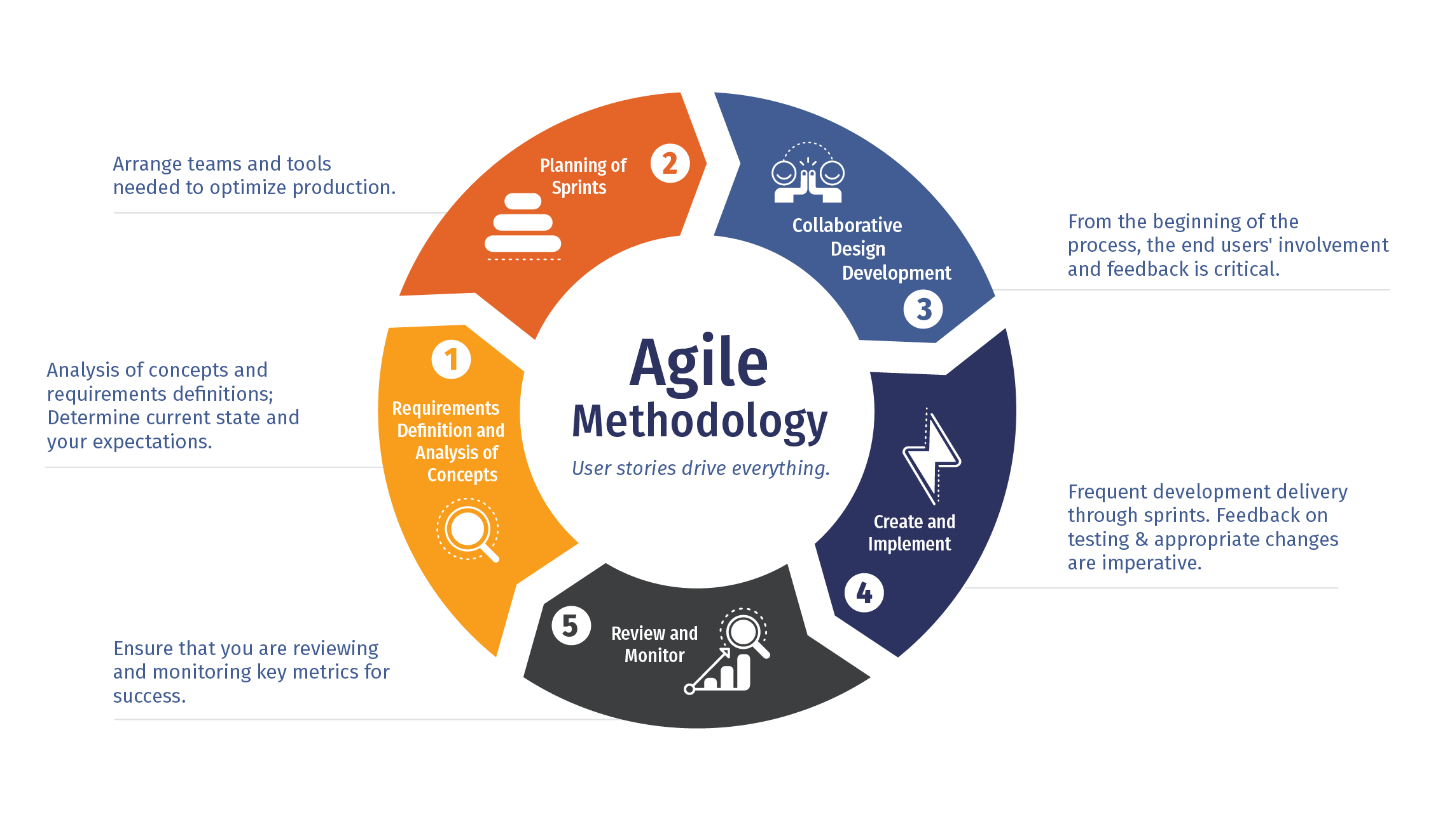
Agile Development Methodology

We followed a strict 2-week sprint cycle with daily standups, weekly demos, and continuous stakeholder feedback. Every sprint delivered working features that could be tested in real clinic environments.

16 Sprints
2-week cycles
95%
Sprint completion rate
Daily
Standups & syncs

Technology Stack Breakdown

Frontend

React 18 UI framework with concurrent rendering
TypeScript Type safety & developer experience
Redux Toolkit State management
React Query Server state & caching
Tailwind CSS Utility-first styling

Backend

Node.js 20 Runtime environment
NestJS Enterprise framework
GraphQL API layer with Apollo Server
Prisma Type-safe ORM
Bull Queue Background job processing

Infrastructure

AWS EKS Kubernetes orchestration
Docker Containerization
Terraform Infrastructure as code
GitHub Actions CI/CD pipelines
Datadog Monitoring & observability

Data & ML

PostgreSQL 15 Primary database
Redis 7 Caching & sessions
Apache Kafka Event streaming
TensorFlow ML model training & inference
Elasticsearch Search & analytics

CI/CD Pipeline

Fully automated deployment pipeline from code commit to production with zero manual intervention.

Code Commit

Push to GitHub triggers pipeline

Automated Tests

Unit, integration & E2E tests

Build & Package

Docker images created

Security Scan

Vulnerability & compliance checks

Deploy

Rolling update to production

< 15 min Average deployment time
10+ Deployments per day
99.8% Pipeline success rate

Implementation Results

33
Weeks from kickoff to production
0
Critical bugs in production
200+
Clinics successfully onboarded
99.9%
System uptime achieved

Knowledge Transfer & Team Enablement

Empowering the client's team to own, operate, and evolve the platform independently.

Technical documentation and code
500+ Pages

Comprehensive Documentation

Complete technical documentation covering architecture, API references, deployment guides, and troubleshooting playbooks. Every service, every endpoint, every decision documented.

  • Architecture diagrams & system design docs
  • API documentation with Swagger/OpenAPI
  • Runbooks for common operations & incidents
  • Code comments & inline documentation
Team training session
40+ Hours

Hands-On Training Program

Intensive training sessions for developers, DevOps engineers, and support staff. From code walkthroughs to incident response drills, we ensured the team was production-ready.

  • Code walkthrough sessions for all services
  • DevOps training on CI/CD & infrastructure
  • Incident response & troubleshooting drills
  • Best practices & coding standards workshop
Support and monitoring
90 Days

Post-Launch Support

90-day hyper-care period with 24/7 support, weekly check-ins, and on-demand assistance. We stayed close until the team was fully confident and autonomous.

  • 24/7 emergency support hotline
  • Weekly health checks & performance reviews
  • On-demand pair programming sessions
  • Gradual transition to full ownership
100%
Team Certification Rate
15
Engineers Trained
0
Critical Issues Post-Handover
4.9/5
Training Satisfaction Score

Success Story

Real numbers, real impact—how HealthTrack Pro transformed patient care across Nepal.

Before

The Old Reality

4 Hours
Average alert delay
200+
Disconnected systems
3+ Hours
Daily manual reporting
Zero
Real-time visibility
After

The New Standard

8 Minutes
Alert response time (92% faster)
Unified
Single platform for all clinics
Automated
Zero manual data entry
Real-Time
Live monitoring 24/7
200+
Clinics Connected

Every facility in the MedCorp network now operates on a single, unified platform

92%
Faster Response

Critical alerts now reach clinicians in under 8 minutes instead of 4 hours

$2M+
Annual Savings

Reduced operational costs through automation and efficiency gains

99.9%
System Uptime

Rock-solid reliability with zero unplanned downtime since launch

100%
HIPAA Compliant

Full compliance with zero security incidents or data breaches

50K+
Daily Events

Processing thousands of patient events in real-time every single day

What Our Client Says

"
Working with ORA Technology was transformative. They didn't just build software—they understood our mission to save lives. The platform they delivered has fundamentally changed how we operate. Alert response times dropped from 4 hours to 8 minutes. That's not just a metric—that's lives saved. Our clinical staff can now focus on patient care instead of wrestling with disconnected systems. The team's technical expertise, combined with their genuine care for our success, made all the difference. This is what true partnership looks like.
Dr. Rajesh Sharma
Dr. Rajesh Sharma
Chief Technology Officer
MedCorp Nepal
5.0/5.0
Client Satisfaction
100%
On-Time Delivery
0
Critical Issues
"The training and documentation they provided was exceptional. Our team was production-ready from day one. They truly cared about our long-term success."
Priya Thapa
Priya Thapa
Head of Engineering, MedCorp
"Their DevOps expertise is world-class. Zero downtime deployments, 99.9% uptime, and a CI/CD pipeline that just works. Impressive doesn't begin to cover it."
Amit Gurung
Amit Gurung
DevOps Lead, MedCorp
"As a clinician, I can finally focus on patients instead of fighting with technology. The real-time alerts have already helped us intervene earlier in critical cases."
Dr. Sita Rai
Dr. Sita Rai
Chief Medical Officer, MedCorp